The Auckland Marathon is New Zealand’s largest running festival and the only day of the year when runners are allowed to cross the Auckland Harbour Bridge on foot. Officially titled the Barfoot & Thompson Runaway Auckland Marathon presented by ASICS, the next edition takes place on Sunday, 1 November 2026 under the long-running “Run the City” banner. This guide covers everything you need to plan your race: the distances and entry fees, the Devonport-to-Victoria Park course, the Harbour Bridge climb, ferry and check-in logistics, training and pacing, and the best spots for supporters.
Key Facts
- Event: Barfoot & Thompson Runaway Auckland Marathon presented by ASICS
- 2026 date: Sunday, 1 November 2026
- Tagline: “Run the City”
- Distances: Marathon (42.195 km), Half Marathon, 11 km Traverse, 5 km, 2.2 km Kids Marathon, plus a Wheelchair Division
- Start: Devonport, North Shore (reached by event ferry)
- Finish: Victoria Park, Auckland CBD
- Signature feature: The only public foot crossing of the Auckland Harbour Bridge
- 2025 field: More than 17,000 runners and walkers – the biggest since 2014
- Entries: Opened 10 February 2026; online entries close 31 October 2026
What is the Auckland Marathon?
The Auckland Marathon is an annual road-running festival held on Auckland’s waterfront, best known for its exclusive foot crossing of the Auckland Harbour Bridge. A marathon covers 42.195 kilometres, and the Auckland event pairs that classic distance with a Half Marathon, an 11km Traverse, a 5km, a 2.2km Kids Marathon and a Wheelchair Division, so it caters to everyone from first-timers to elite athletes.
The race has deep roots. An Auckland marathon was first run on a waterfront course in 1936, but the modern event took shape in October 1992, when it became the first sporting event ever permitted to cross the Auckland Harbour Bridge. Today it is New Zealand’s biggest marathon: the 2025 edition drew more than 17,000 registered runners and walkers, with around 3,500 tackling the full 42.195km – the largest full-marathon field in more than a decade. Like countless other mass-participation events worldwide, the Auckland Marathon was disrupted during the COVID-19 pandemic; you can read more about that wider impact on sport on Wikipedia.
The full marathon is run on a certified course and is commonly listed as a Boston Marathon qualifying event, so competitive runners can use a finish time toward entry to the world’s major marathons.
Key Points
- The Auckland Marathon is the only event that crosses the Harbour Bridge on foot, at roughly the 16 km mark of the full marathon.
- Most full and half-marathon runners start in Devonport and reach it by a pre-booked event ferry from downtown Auckland.
- The first half is undulating through the North Shore; the second half is flat but wind-exposed along Tamaki Drive.
- Entry is online only – there are no race-day entries, and race numbers must be collected at athlete check-in beforehand.
- Enter early: tiered pricing means fees rise as allocations sell out, and popular distances can fill before race week.
When is the Auckland Marathon 2026?
The 2026 Barfoot & Thompson Runaway Auckland Marathon is on Sunday, 1 November 2026. The event traditionally falls on the first Sunday of November, and the different distances set off in waves through the morning so that the roads and the Harbour Bridge can be managed safely. Knowing your wave start time is essential for planning your ferry and warm-up.
| Distance | Wave start time |
|---|---|
| Wheelchair Division | 5:55 am |
| Marathon (42.195 km) | 6:00 am |
| Half Marathon | 6:50 am |
| 11 km Traverse | 8:40 am |
| Kids Marathon (2.2 km) | 10:30 am |
| 5 km | 11:00 am |
Race distances and which one suits you
Choosing the right distance is the single biggest decision for a happy race day. The full marathon and half marathon both start in Devonport and cross the Harbour Bridge, while the shorter city-side distances start closer to the finish. The table below shows indicative entry fees; prices are tiered and rise as each price allocation sells out, so early entry is cheaper.
| Distance | Indicative entry fee (NZD) | Best suited to |
|---|---|---|
| Marathon (42.195 km) | from ~$271 | Experienced runners chasing a goal time or a qualifier |
| Half Marathon | from ~$219 | Regular runners who want the bridge crossing without the full distance |
| 11 km Traverse | from ~$157 | Newer runners and walkers wanting a taste of the course |
| 5 km | from ~$85 | Beginners, families and social participants |
| Kids Marathon (2.2 km) | from ~$52 | Young children in a supported, closed-road environment |
If you are still building your base, a shorter event elsewhere first can help. The nearby North Shore Marathon in Takapuna and the flat Round the Bays fun run on Tamaki Drive are both good stepping stones on familiar Auckland roads.
Registration, entry fees and key deadlines
Entry to the Auckland Marathon is online only, and popular distances can sell out before race week, so booking early is the safest and cheapest option. Entries for the 2026 event opened on 10 February 2026, and online entries close on 31 October 2026 at 2:00 pm (NZ time). There are no on-the-day entries. When you register, remember to add your event transport ticket, because most marathon and half-marathon runners need a ferry to reach the Devonport start.
| Milestone | 2026 timing |
|---|---|
| Entries open | 10 February 2026 |
| Online transport tickets close | 29 October 2026 |
| Online entries close | 31 October 2026, 2:00 pm |
| Distance & person-to-person transfers close | 31 October 2026, 5:00 pm |
| Athlete check-in | 30–31 October 2026 |
Distance and person-to-person transfers
If your training changes, the event allows you to move between distances – upgrading from the half to the full, or dropping to the 11km – up until the transfer deadline, subject to availability. You can also transfer your entry to another person before the same cut-off. Both close on 31 October 2026 at 5:00 pm, so make any changes well before then.
The course: from Devonport to Victoria Park
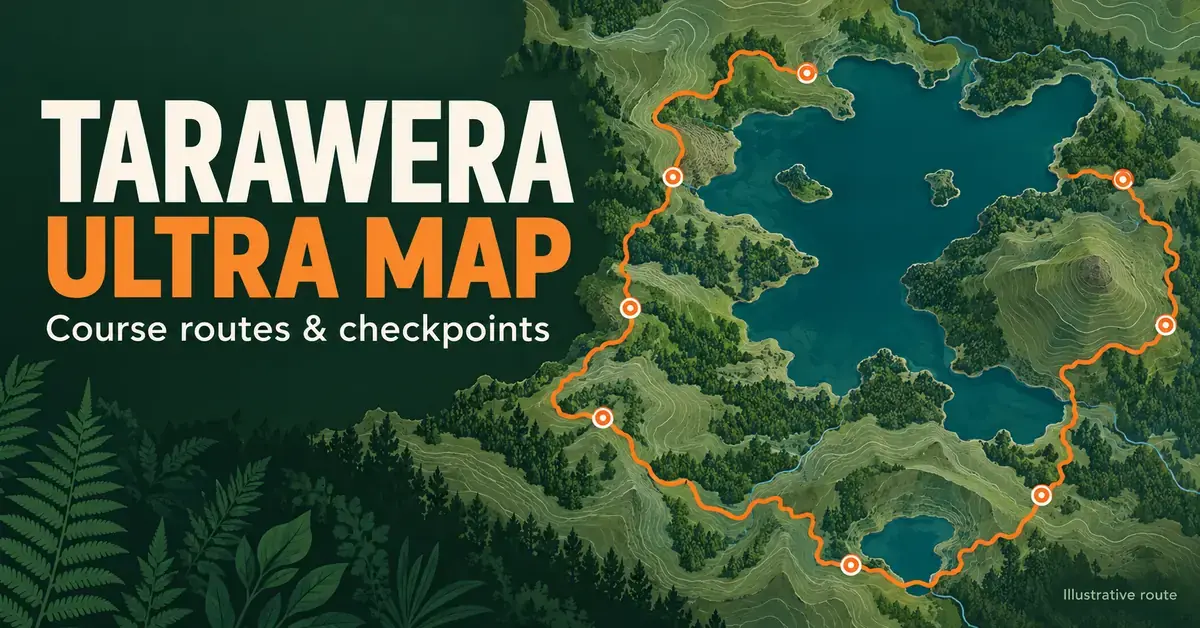
The Auckland Marathon is a point-to-point course that starts in the historic seaside suburb of Devonport and finishes at Victoria Park in the CBD. The first stretch winds through the rolling North Shore streets of Devonport, Takapuna and Northcote before the signature moment: the climb up and over the Auckland Harbour Bridge at roughly the 16km mark. Half-marathon runners finish soon after at Victoria Park, while full-marathon runners continue east through Viaduct Harbour and along the flat, scenic Tamaki Drive to a turnaround at St Heliers Bay, then retrace their steps back to the Victoria Park finish.
The Devonport ferry start
Most full and half-marathon runners reach the start line by a special pre-dawn event ferry from the downtown Auckland Ferry Terminal across to Devonport. Ferries run to a timetable, so check the departure time printed on your athlete information and allow enough margin to disembark, drop your gear bag and warm up before your wave. Missing your booked ferry is one of the most common race-morning mistakes.
Elevation profile and the Harbour Bridge climb
The Auckland Marathon is not a mountain race, but it is more technical than pancake-flat city courses. The North Shore section is undulating, with a series of short, punchy hills that can quietly drain your legs if you push too hard early. The Harbour Bridge itself is a steady climb of roughly 30 metres over about a kilometre – around a 3–5% gradient – followed by a descent that can jar the quads. The long second half along Tamaki Drive is flat, but it is exposed, and a headwind on the return leg from St Heliers can be the real challenge of the day.
| Course section | Elevation trend | Difficulty |
|---|---|---|
| 0–15 km (North Shore) | Undulating / rolling hills | Moderate |
| ~16–18 km (Harbour Bridge) | Steady climb then descent | Hard (gradient) |
| 19–40 km (Tamaki Drive) | Flat coastal road | Easy terrain / hard exposure |
| 40–42.195 km (CBD) | Flat city streets | Easy |
Pacing the North Shore hills
The secret to a strong Auckland Marathon is to stay conservative through the first 18km. Do not chase pace up the North Shore hills or over the bridge; run them by effort, then settle into your goal marathon pace on the flat waterfront. A marathon pace chart is a simple way to work out the splits you should be hitting once the road flattens out.
Training for the Auckland Marathon
Training for Auckland means blending hill strength with flat-road endurance. Because the bridge is a defined climb, include “bridge simulations” in your build-up – hill repeats of around a kilometre at a 3–5% gradient that mimic the effort you will feel on race day. Since the entire second half is on hard, flat tarmac, condition your legs with long runs on road rather than soft trail, and add tempo efforts late in those runs to prepare for the exposed, sometimes windy stretch along Tamaki Drive.
- Hill strength: weekly hill repeats to build quad and glute power for the bridge.
- Impact conditioning: favour road surfaces in your peak weeks so your legs are ready for 42km of tarmac.
- Wind resilience: train in open, coastal areas to build comfort with exposure.
- Tapering: a two-to-three-week taper sheds fatigue while keeping you sharp.
Simulating the out-and-back
Practise out-and-back long runs so the mental shape of the course feels familiar. On Tamaki Drive you will watch the leaders coming back toward you while you are still heading out to St Heliers – a stretch that can feel long if you have not rehearsed staying focused on your own pace.
Nutrition and hydration on race day
The Auckland Marathon is well supported, with aid stations spaced along the course offering water and an electrolyte drink. Early November in Auckland can be humid, so keeping your fluid and sodium topped up is important for avoiding cramp and fatigue. Practise with the on-course drink and your own gels during training long runs so nothing on race day is a surprise.
| Fuel | Timing | Strategy |
|---|---|---|
| Water | Every aid station | Small, regular sips rather than large gulps |
| Electrolytes | Roughly every 10 km | Replace sodium lost through sweat |
| Energy gels | Every 30–45 minutes | Carry your own tested brand and flavour |
| Recovery | Within 30–60 min of finishing | Combine carbohydrate and protein |
Gear and weather for early-November Auckland
Early November in Auckland is typically mild, often starting around 12–14°C and climbing toward the high teens or low twenties by late morning. The coast brings humidity, sun and glare off the Waitematā Harbour, so lightweight, moisture-wicking clothing and sun protection matter. Choose road-specific shoes with reliable cushioning for the tarmac, and pin your bib securely for the breezy bridge crossing.
- Shoes: lightweight road racers or trainers with cushioning for 42km of hard surface – see our guide to running shoes.
- Socks and kit: technical anti-blister socks and breathable apparel; avoid cotton.
- Sun protection: sweat-resistant sunscreen, a cap and sunglasses for the exposed waterfront.
- Start line: a disposable layer to stay warm in Devonport before the 6:00 am start.
Athlete check-in and race pack collection
All participants must collect their race number, timing device and gear bag at athlete check-in before race day – there is no bib collection on Sunday morning. Check-in is held on the Friday and Saturday before the race at The Cloud on Auckland’s waterfront. Bring your athlete QR code (from your confirmation) and photo ID. It is also a good chance to browse the running expo and pick up any last-minute essentials.
Spectator guide: the best cheering spots
The Auckland Marathon is a superb event for supporters, with lively viewing points across the city. Westhaven gives you the thrill of watching runners pour off the bridge, while Mission Bay and Kohimarama on Tamaki Drive offer a relaxed seaside atmosphere with cafes and a double viewing opportunity as runners head out and come back. The Viaduct, Wynyard Quarter and the Victoria Park finish deliver the biggest crowds and the emotional finish-line moment.
| Viewing spot | Approx. marathon distance | Why it is good |
|---|---|---|
| Devonport start | 0 km | Electric pre-dawn atmosphere and sunrise views |
| Westhaven | ~18 km | Watch runners come off the Harbour Bridge |
| Mission Bay | ~28 km & ~35 km | Seaside energy and a double sighting on the out-and-back |
| Victoria Park | 42.195 km | The final straight and the finish celebration |
Common mistakes to avoid
Most Auckland Marathon setbacks come from avoidable planning errors, not fitness. Knowing the usual traps lets you sidestep them.
- Missing the ferry: the Devonport start is only reachable by a timed event ferry – book it during registration and arrive early.
- Going out too hard: the North Shore hills tempt runners into a fast start that costs them on Tamaki Drive.
- Trying new fuel on race day: stick to gels and drinks you tested in training to avoid stomach trouble.
- Leaving entry too late: tiered pricing means fees rise, and there are no race-day entries once online registration closes.
- Underestimating the wind and sun: the exposed waterfront return can be tougher than the elevation profile suggests.
Post-race recovery in the CBD
Crossing the line at Victoria Park is a genuine achievement, and the finish village has water, food and space to regroup. Keep walking for ten to fifteen minutes to help your circulation, rehydrate with an electrolyte drink, and refuel with carbohydrate and protein within the first hour. The surrounding Viaduct and Wynyard Quarter are full of cafes and restaurants for a celebratory meal, and a gentle walk the next day will help your legs recover. For more Auckland and Australasian racing, compare the experience with the Sydney Marathon, now an Abbott World Marathon Major.
Sources
Frequently Asked Questions (FAQ)
When is the Auckland Marathon 2026?
The 2026 Barfoot & Thompson Runaway Auckland Marathon is on Sunday, 1 November 2026. The event is traditionally held on the first Sunday of November, with distances starting in waves from about 5:55 am.
Do I have to take a ferry to the start line?
Yes. Most full and half-marathon runners start in Devonport and reach it by a pre-booked event ferry from the downtown Auckland Ferry Terminal. Add your transport ticket during registration and check your scheduled departure time.
Can I enter on race day?
No. Entry is online only and there are no race-day entries. Online entries for 2026 close on 31 October 2026, and you must collect your race number at athlete check-in on the Friday or Saturday beforehand.
How hard is the Harbour Bridge climb?
It is a steady climb of roughly 30 metres over about a kilometre, around a 3–5% gradient, reached near the 16km mark. It is very manageable with sensible pacing, and the descent and views on the other side are a highlight of the course.
Is the Auckland Marathon a Boston qualifier?
The full marathon is run on a certified course and is commonly listed as a Boston Marathon qualifying event, so a qualifying finish time can be used toward entry to the major world marathons.